The Missing Shield: Acquiring Israeli Air Defenses Makes Golden Dome Sustainable
Click here to download the full report.
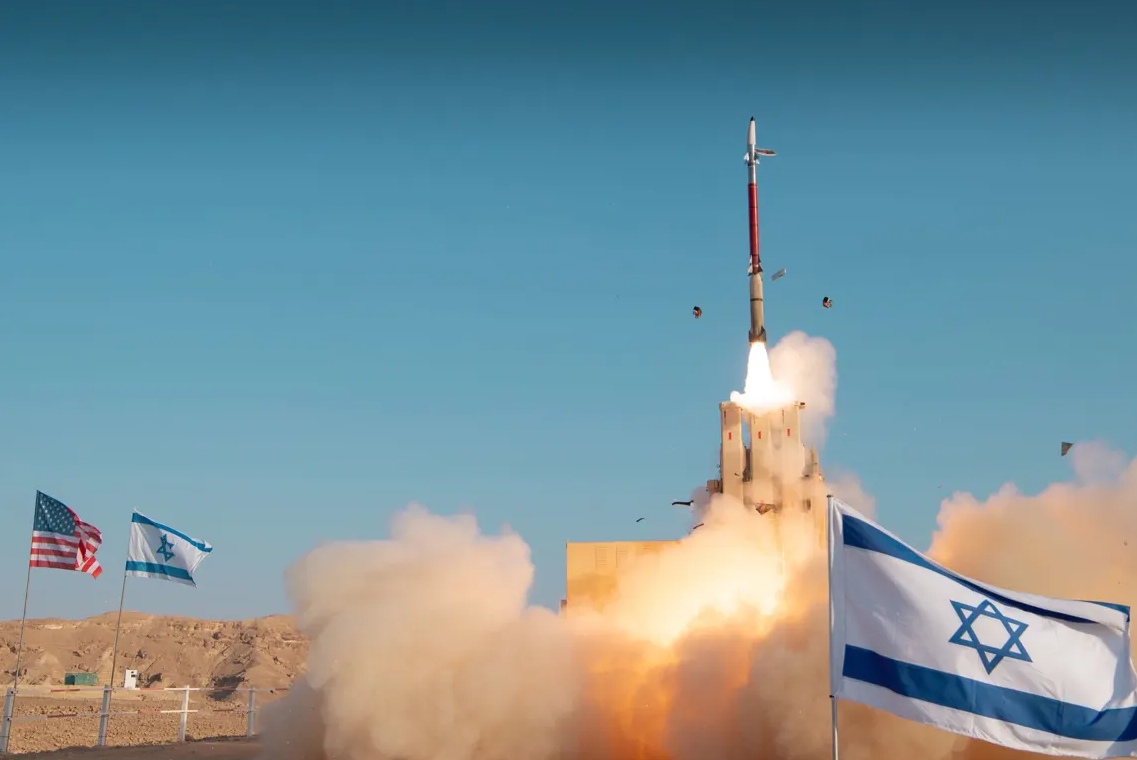
“The homeland is relatively undefended.” That was the alarming assessment of U.S. Space Force General Michael Guetlein, the military officer responsible for revamping America’s home front air and missile defense program, during congressional testimony on April 27, 2026. These dangers have become readily apparent in recent months, as Iran’s missile and drone attacks during Operation Epic Fury tested the limits of defense infrastructure within the area of responsibility (AOR) of U.S. Central Command (CENTCOM). Even where capable U.S. and partner defenses were present, missiles and drones still inflicted damage across the Gulf and Israel, showing how dangerous these weapons remain when defenses prove good but insufficient and underscoring the urgency of building a true homeland air and missile defense shield for the United States.
The 2025 National Security Strategy, the 2026 National Defense Strategy, and the executive order that launched Golden Dome all call for closer cooperation with partner nations. Israel is the strongest of those partners because it already operates one of the world’s most capable air and missile defense networks, built on mature, cost-effective systems and decades of combat experience against the same missile and drone threats Golden Dome is designed to stop. Without a deliberate effort to build Golden Dome around the existing U.S.–Israel framework, that policy commitment risks going unfulfilled in practice, with the Department of Defense potentially spending billions reinventing systems Israeli and American taxpayers already funded and built together.