Watch Webinar – Saudi-UAE Tensions Over Yemen: Squabble or Breaking Point?
Click here to read a transcript.
The Middle East’s geopolitical tides are again shifting. While Riyadh recently described Saudi Arabia and the United Arab Emirates (UAE) as “brotherly countries,” as of late, they have been anything but. On December 30, the two nations nearly came to blows when a Saudi airstrike targeted an alleged Emirati weapons shipment to Yemen’s southern separatists who had days before seized a key province bordering the kingdom. The strike led the UAE to accede to a Saudi demand that it withdraw its forces from Yemen. Subsequently, forces loyal to Yemen’s Saudi-backed government launched a successful counter-offensive under cover of Saudi air power to retake most of the territory seized by the separatists.
It is not just in Yemen that the two U.S. partners have been at loggerheads. Across the Red Sea, Abu Dhabi and Riyadh back opposing forces in the Sudanese Civil War and Somalia, while pursuing fiercely competing economic agendas and strategic visions for the Gulf and broader MENA region. Now, though, the spat is growing, and so are its ripple effects, with major regional powers like Turkey and Egypt aligning more with Riyadh while Israel and Abu Dhabi appear to be drawing closer in outlook. And, while Saudi Arabia and the UAE spent years conducting a joint air campaign against Yemen’s Houthi terrorists, the growing rift could create dangerous new openings for the Houthis and their Iranian sponsors.
JINSA hosted a webinar assessing the latest developments in Yemen, the broader Saudi Arabia-UAE relationship, and potential U.S. policy responses featuring JINSA Randi & Charles Wax Senior Fellow John Hannah, Princeton University Professor of Near Eastern Studies Dr. Bernard Haykel, and former U.S. Ambassador to Saudi Arabia Michael Ratney.
JINSA Vice President for Policy Blaise Misztal moderated the conversation.
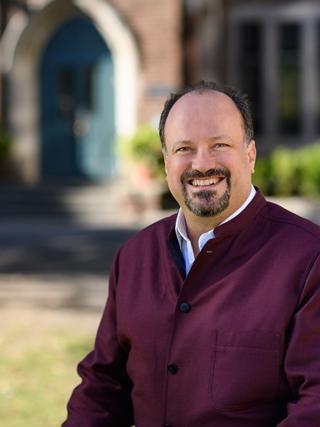
Dr. Bernard Haykel Dr. Bernard Haykel is a professor of near eastern studies at Princeton University He is also a nonresident senior fellow with the Hudson Institute’s Center for Peace and Security in the Middle East. |
Amb. Michael Ratney Ambassador Michael Ratney is the former U.S. ambassador to Saudi Arabia, and was the U.S. special envoy for Syria from 2015-18. He has previously served as acting deputy assistant secretary for the Levant and Israel and Palestinian Affairs and as the U.S. consul general in Jerusalem. |
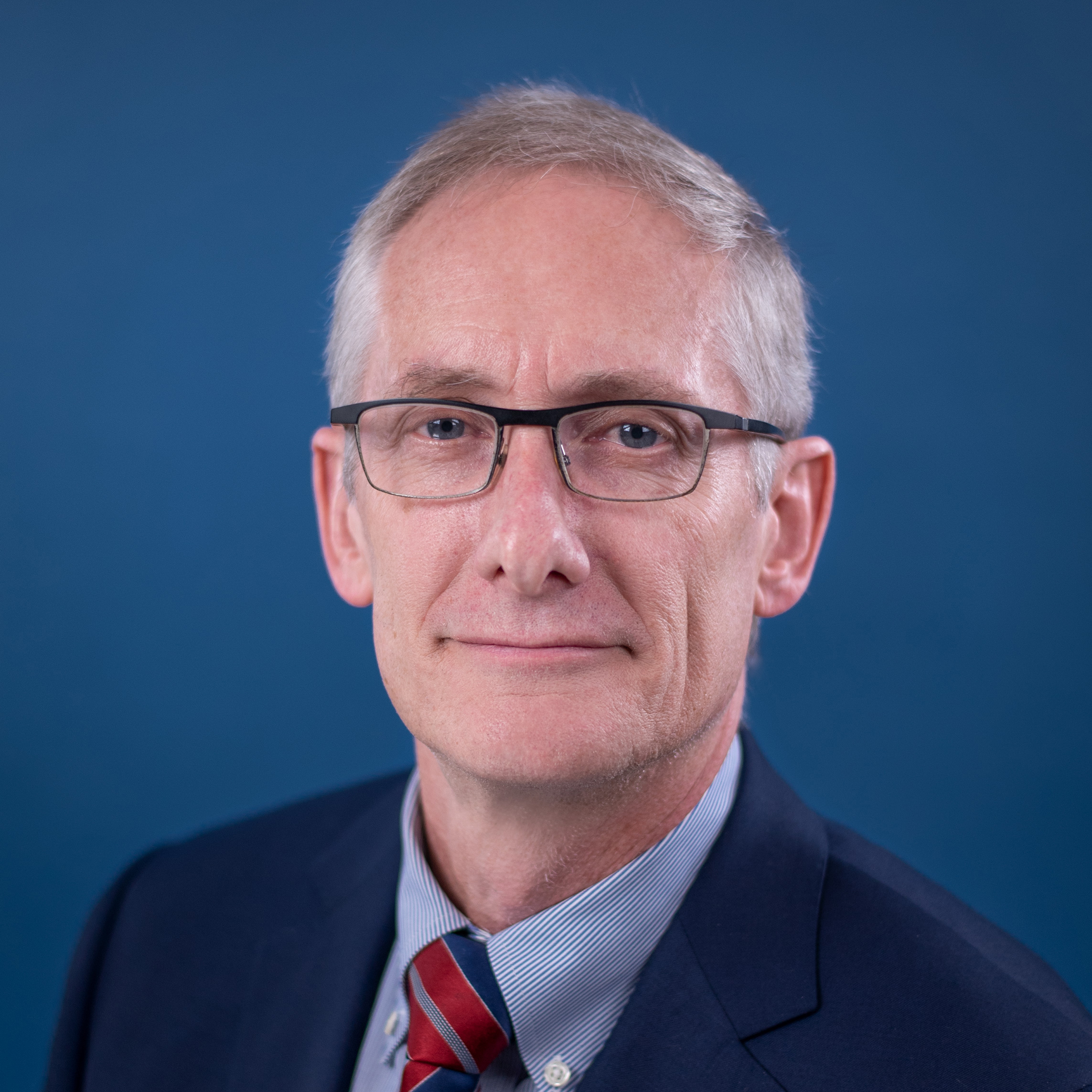
John Hannah John Hannah is the Randi & Charles Wax Senior Fellow at JINSA’s Gemunder Center for Defense and Strategy. Hannah served in senior foreign policy positions for both Democratic and Republican administrations, including as former Vice President Dick Cheney’s National Security Advisor from 2005-2009 and as Vice President Cheney’s Deputy National Security Advisor for the Middle East from 2001-2005. |
Blaise Misztal Blaise Misztal is the Vice President for Policy at JINSA. His research interests include Iran and its nuclear program, U.S.-Turkey relations, countering extremism, and strategic competition. Misztal previously served as the Executive Director of the Task Force on extremism in Fragile States, a congressionally mandated project convened by the U.S. Institute of Peace, and Director of the Bipartisan Policy Center’s National Security Program. |